You've Translated the Words. But What About the Images?
Why visual localisation is the detail most global event marketers miss and why it matters more than you think.
Most event marketers don't think about localisation at all. They think about translating words. The exhibitor manual needs to be in German. The conference app needs to be in Portuguese. The speaker introduction needs to be in French. All of that is true, and all of that is what TranslateAble does every day.
But what about the images?
An image can connect with an event audience instantly. It can make someone feel seen, represented and welcomed before they've read a single word. It can also do the exact opposite and sometimes feel alienating, offending or simply missing the mark entirely, in ways that are sometimes impossible for your event brand to recover from. And unlike a mistranslated word, a culturally misjudged image tends to travel fast. This can be an issue for teams who are delivering events in new or unfamiliar territories.
What is image localisation?
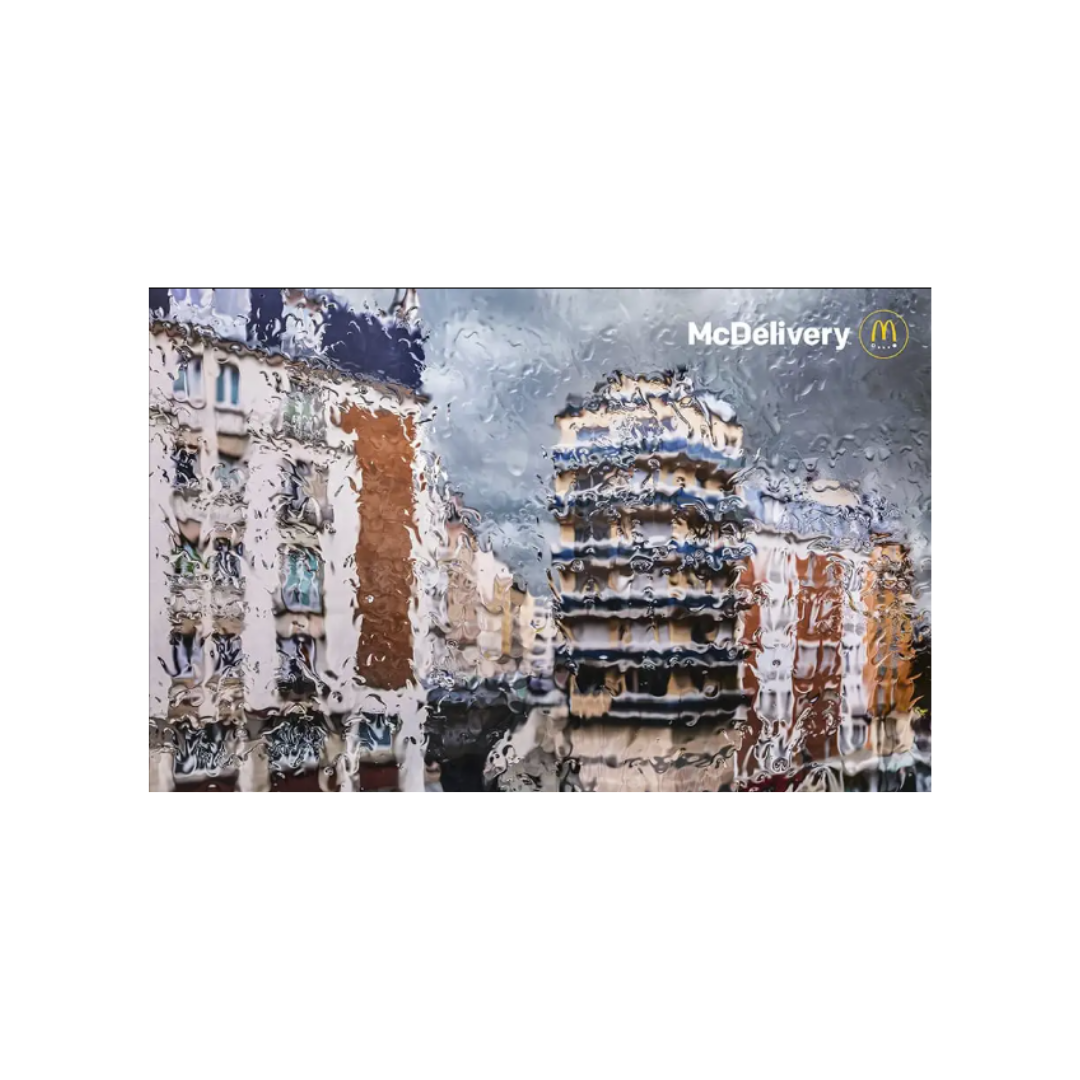
Image localisation is the process of adapting the visual elements of your content. Whether that’s photography, illustrations, icons, event campaign imagery, event shots, selecting an image that resonates with a specific cultural audience. It goes beyond swapping out a flag or changing a colour. It's about understanding what a particular audience sees when they look at your content, and whether what they see makes them feel included or excluded.
The world's biggest brands have understood this for years. Here are some of our favourite examples from the brands that get it right:
McDonald's doesn't just translate its menus from one country to another. It reinvents them for each market. In India, imagery features the McAloo Tikki and McSpicy Paneer. In Japan, ads feature culturally relevant visuals such as chopsticks and anime. In France, they used an impressionistic style image to promote their McDelivery. In the Middle East, imagery aligns carefully with local cultural values. The visual language is entirely different market to market, even though the golden arches are the same.
Coca-Cola's "Share a Coke" campaign is a great example in understanding that visual connection is cultural. In the UK, bottles featured common British names. In China, the Coco-Cola bottles feature different local names, playful nicknames and colloquial slang.
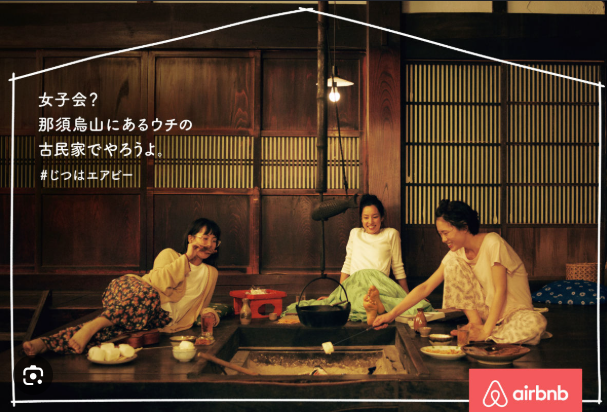
Airbnb built its entire "Belong Anywhere" message on localised imagery. In Japan, the adverts show “girls weekend” featuring three Japanese women in a local Japanese cabin. In Brazil, vibrant colours, outdoor gatherings and coastal settings. In Sweden, minimalist interiors and open landscapes. Their campaign was focused on creating emotional connections with their local target audiences rather than simply showing listings.
Netflix goes further still, dynamically changing poster artwork and thumbnails by region. They believe that “Every member is different and what artwork resonates with them varies. That’s why we like to create a few versions of the artwork which show the title in slightly different ways.” Netflix
What this means for events marketers
If you're running an international event, or marketing one to a global audience, your imagery is doing as much work as your words. Possibly more.
The photography you use in your pre-event email campaign. The imagery in your exhibitor prospectus. The visuals on your event website, your social content, your onsite signage, your event app. All of it communicates something about who this event is for. And if the imagery defaults to a single cultural lens, which it often does when it's produced centrally and distributed globally, it risks making audiences feel unwelcome before they’ve even registered for your event.
It's a missed commercial opportunity, and even a brand risk. Events that feel relevant to their international audiences attract more international attendees, exhibitors and sponsors.
The detail that gets forgotten
In our experience working with event teams across the world, image localisation is almost always not even considered, sometimes left to the designer. Copy gets reviewed. Translations get commissioned. And then, 48 hours before launch, someone looks at the imagery and realises that the photography used across the entire campaign features only one demographic, or that the lifestyle shot chosen for the Middle Eastern market campaign would raise eyebrows, or that the food photography used for the Asian market features a dish that carries unintended cultural significance.
TranslateAble can help
Localisation is what we do and that includes the conversation about imagery. When you work with us on a translation or localisation project, we bring the cultural knowledge to flag the moments where a visual choice might not land the way you intend.
We can advise on what to look out for, help you brief photographers and designers with cultural accuracy in mind, and make sure that the visual and written elements of your content are working together rather than contradicting each other.
Because the goal isn't just event content that's been translated. It's content that genuinely connects with your event attendees.
Thinking about your next international event or looking to attract a new audience to your existing event? Get in touch with the TranslateAble team.